UX/UI & Product Design
Interfaces people actually use, not just admire once.
For startups and SMEs building a digital product, internal tool, or customer portal — not a marketing site, an interface people use repeatedly. Usable, tested flows and a design system that scales with the product instead of drifting out of sync.
Senior product-design thinking applied to flows and systems, not surface decoration.
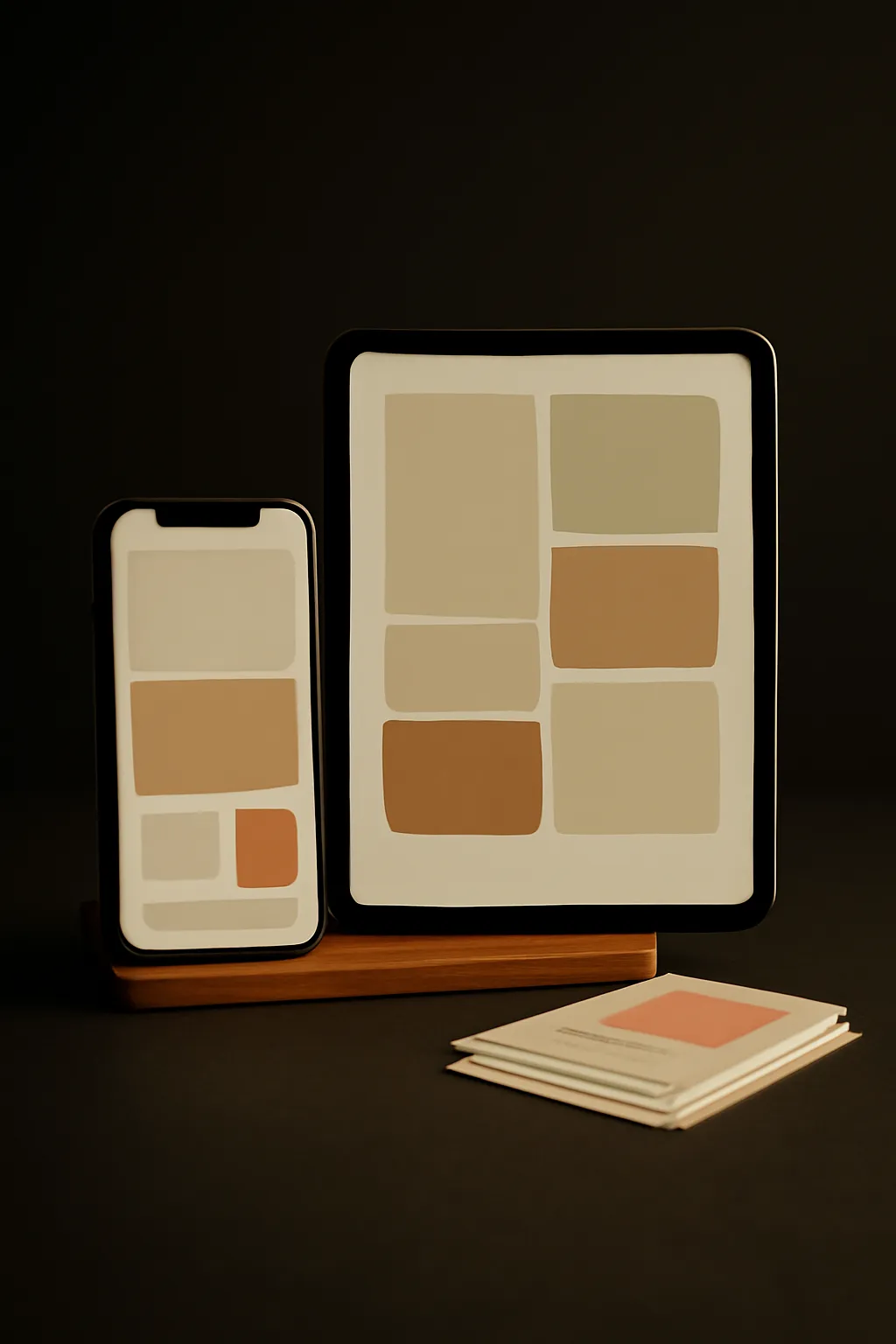
What's included
- User flow mapping for core tasks (not just screens — the paths people actually take)
- Wireframes and interactive prototypes for usability testing
- A component-based design system (not a one-off screen set)
- High-fidelity UI design, ready for engineering handoff
- Developer-ready specs (spacing, states, responsive behaviour)
- Usability testing on key flows before final handoff (per tier)
- One structured round of revisions
How we work
- 1. 3–5 days
Flow mapping
We map the core user journeys and where they currently break down.
- 2. 1–2 weeks
Wireframes & prototype
Low-fidelity structure tested before we invest in visual design.
- 3. 2–3 weeks
UI design & system
High-fidelity screens built on a reusable component system.
- 4. 1 week
Usability testing
Key flows tested with real users, findings folded into one revision round.
- 5. 2–3 days
Engineering handoff
Developer-ready specs and a walkthrough with your engineering team.
Pricing
Essential
from €4,200starting price
- Up to 8 core screens, single flow
- Wireframes + high-fidelity UI
- 1 revision round
- Developer-ready specs
Growth
from €6,400starting price
- Up to 20 screens, multiple flows
- Component-based design system
- Usability testing on 1 key flow
- 2 revision rounds
Signature
from €9,200starting price
- Full product surface, unlimited screens within scope
- Complete design system + documentation
- Usability testing on up to 3 flows
- 2 revision rounds
- Priority scheduling
Proof
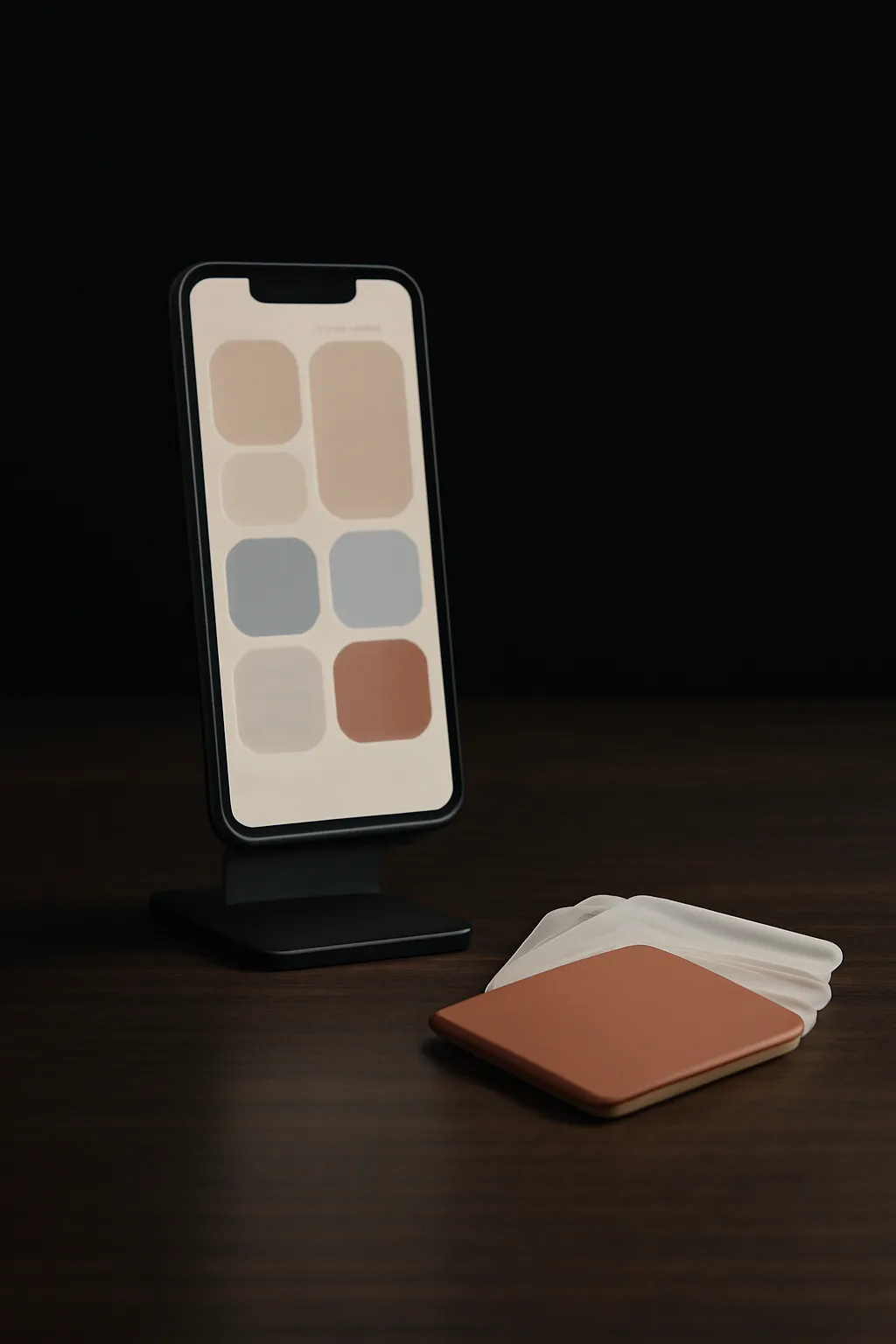
UX/UI & Product Design
Tavola
Tavola — a booking product redesigned for scale.
“We knew users were dropping off somewhere in the booking flow but not why. The redesign was the first time our data and our design actually agreed.”